lnk-3
prompt
category
timeframe
team
category
timeframe
team
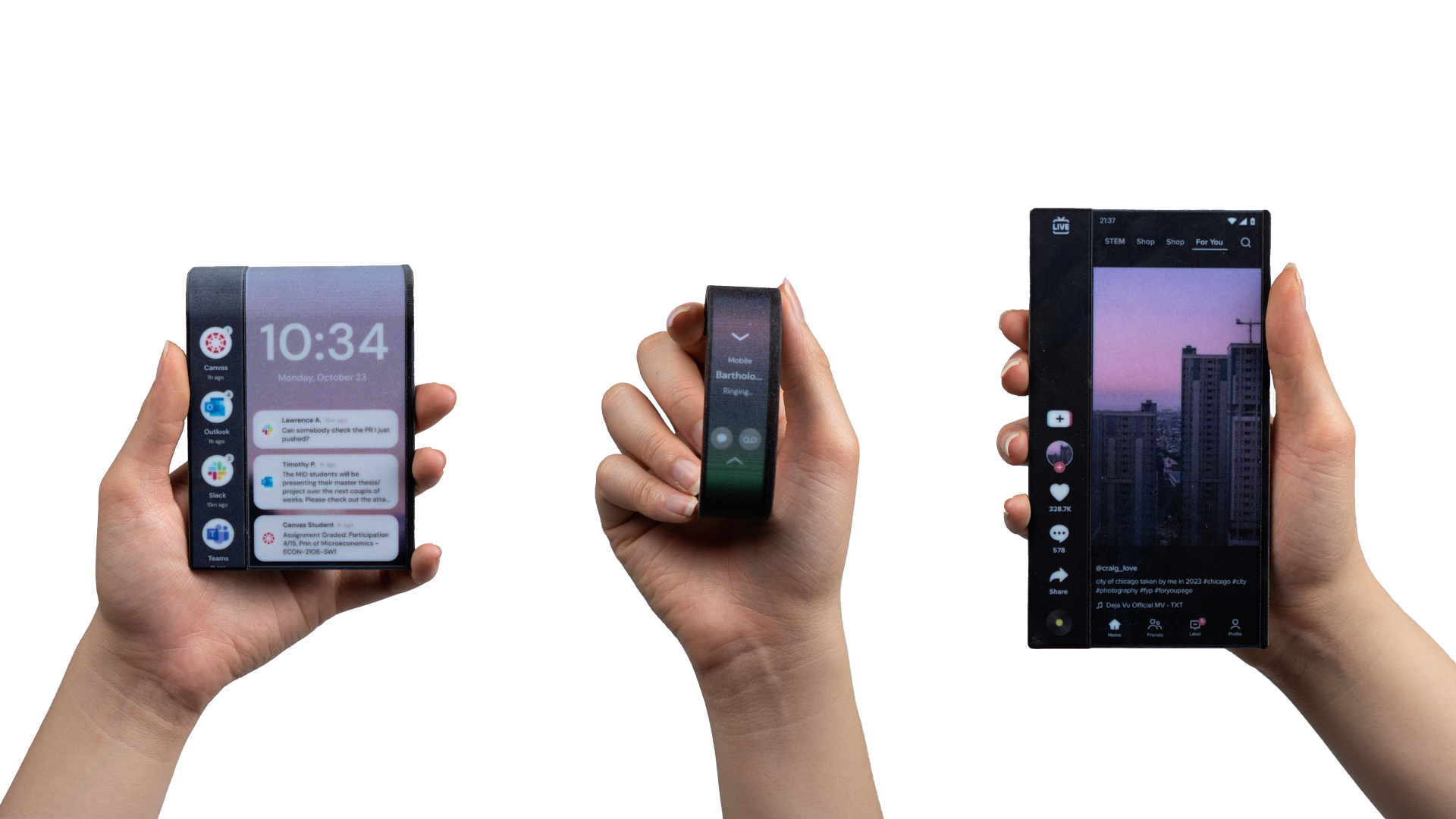
mobile phone of future
product design, UX
3 months
Jazmine Echevarria, Henry Kuang,
Davis Gentry, Mandy Luong
product design, UX
3 months
Jazmine Echevarria, Henry Kuang,
Davis Gentry, Mandy Luong
design objective
Design a phone that encourages mindful interactions, so you can stay present in any moment.
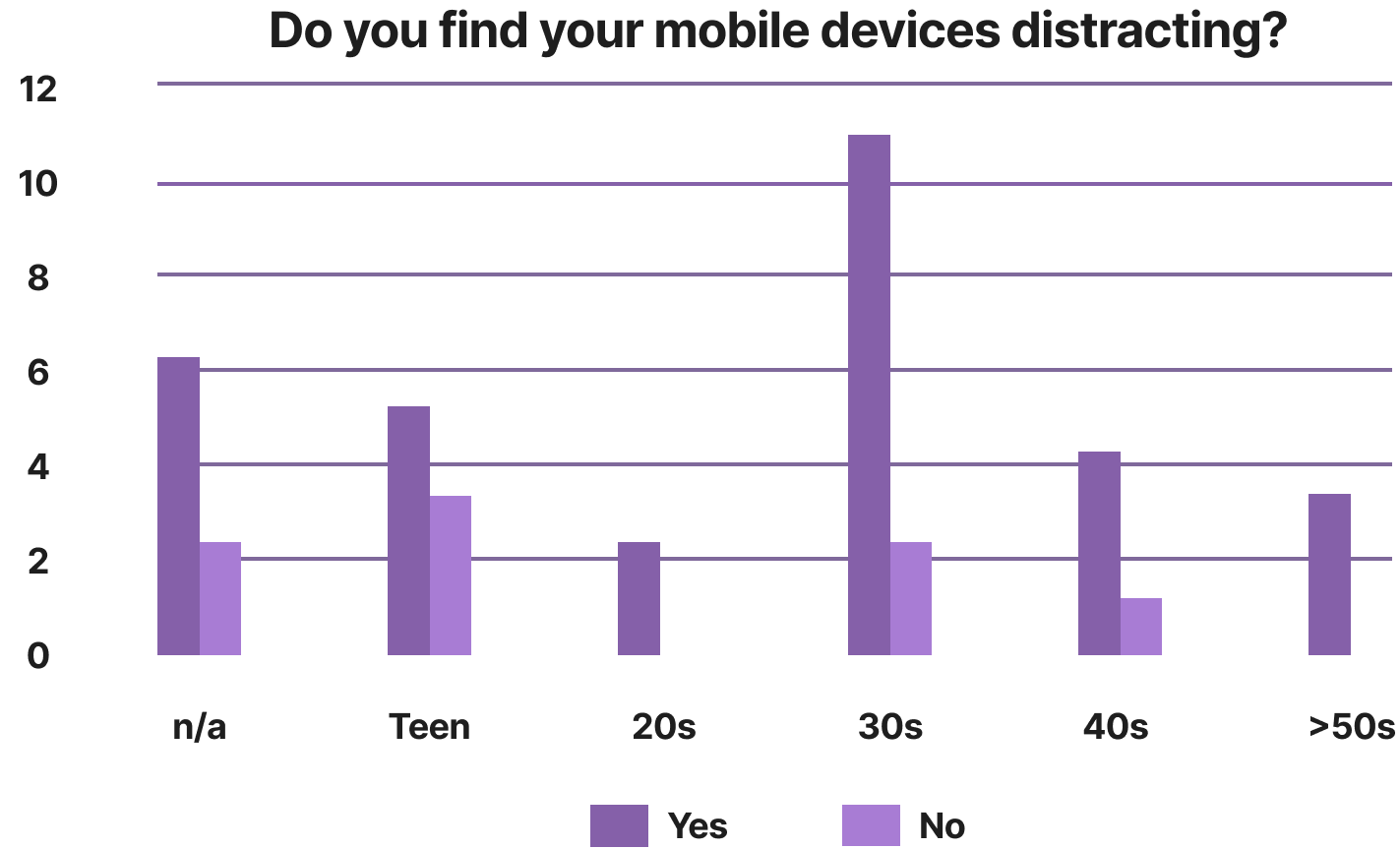
user reserch
75%
of survey respondents reported that a main distraction was opening their phone for one task and then getting sidetracked.
n = 20
n = 20
"Americans check their phones 205 times a day."
Reviews.org
pain points
-
-
-
-
-
People want to be able to control their screen time.
People want to still use their phones for leisure, but also be productive.
People are too distracted by phones in social settings.
People want to still use their phones for leisure, but also be productive.
People are too distracted by phones in social settings.
in-person surveys
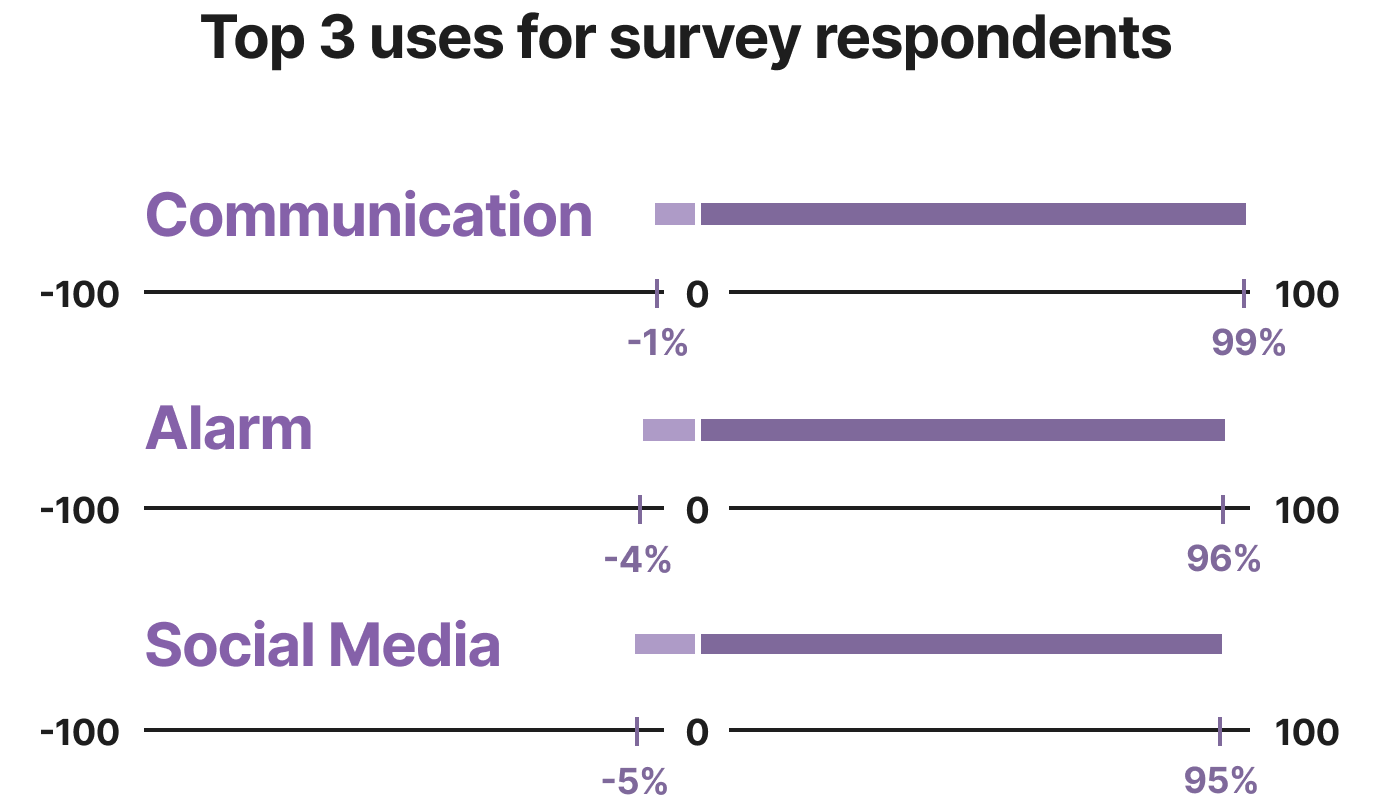
50%
of users would let their phones remove distractions.
n = 20
n = 20
insights
1
Current screen limiters can make the user feel guilty and can come off as judgemental and discouraging.
2
Screen time notifications can feel intrusive and frustrating.
3
Screen time notifications offer little resistance which can lead users to become desensitized to intervention.
concepts
3 concept modes
SOCIAL
MODE
MODE
Address user's need to be more present in social settings, whilst still receiving important notifications.
LEISURE
MODE
MODE
Allows the user to relax through various platforms and mediums in casual way.
FOCUS
MODE
MODE
Fouses the user on their tasks at hand through a work-notification centric display.
form
testing
testing
SOCIAL MODE
Through user-testing social mode using cardboard models with different attachements, users reported that the preferred the velcro for its security and the magnets for its tactile feedback and ease of use.
form
testing
testing
LEISURE MODE
We created an interchangeable model where users could swap out different display and side bar sizes. From this, we found that users seemed to gravitated towards a 2.25cm sidebar, 6cm screen, and .25cm pull tab.
form
testing
testing
FOCUS MODE
By testing Focus Mode models at a desk, we found that users preferred both a later and softer curve.
ui
testing
testing
FOCUS MODE
By conducting a psychological test where we users performed a series of typing tests, while receiving notifications in varying UIs, we found that users preferred having work-related notifications maximized and appear upon receiving.
works-like models
SOCIAL TO LEISURE MODE
To give users an in-hand experience of screen expansion that would occur in future technology, we developed a works like model where the screen expanded through a telescoping model.
SOCIAL MODE CLASP
We 3D printed our watch band out of TPU to mimic the stretch of the Focus Mode and utilized strong magnets for safe connection.
lnk
3
con
tact
thank! chat soon :)
Oops! Something went wrong while submitting the form.
